Work gets stuck between systems
An approval finishes in one application while the next team waits for someone to copy the result.

THE BUSINESS CHALLENGE
An approval finishes in one application while the next team waits for someone to copy the result.
Different entry points and identities make it difficult to see what is waiting and who owns it.
Manual handoffs and disconnected interfaces leave teams without a coherent execution history.
HOW IT WORKS
People own decisions. Systems carry out configured actions. Any AI assistance must use authorized context and produce work for review.
Business owner
Identify the request, decisions, system records and exception owners across the end-to-end process.
Integration team
Configure APIs, connectors or a suitable robot for defined actions. Validate identity and data mappings.
Workflow designer
Configure routing, human approvals, time limits and system actions in BPA.
Service owner
Monitor execution, investigate failed actions and route exceptions to a responsible person.
Process owner
Use execution records to review delays. Introduce BPI analysis when the available event data supports it.
Scope the capabilities around the process. The solution is not a separate product line.
BPA orchestrates human tasks, business rules and system actions with integration capabilities.
Explore BPA →EBPA provides the approved process design and responsibility model.
Explore EBPA →BPI can analyze execution paths when case identifiers and event data are available.
Explore BPI →Business scenario · Purchase requisition to ERP purchase order
Yum China
Restaurants & food service
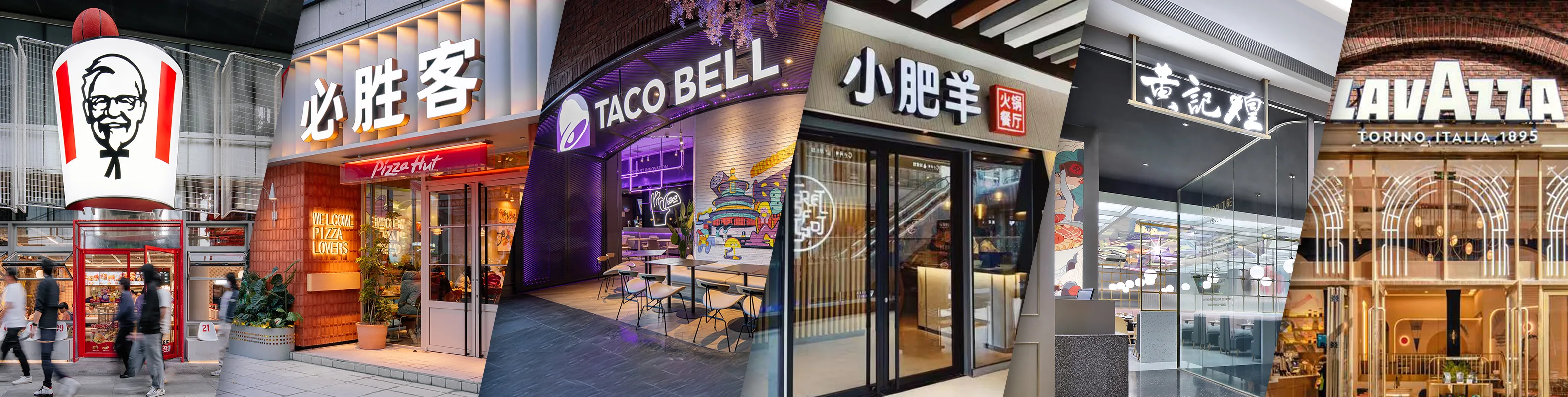
Yum China connects restaurant service requests, accountable case owners and existing support systems through a unified service desk powered by AlphaFlow BPA.
Read the implementation story ↗
Chambroad group
Energy & chemicals
Chambroad group brought service entry points, business-unit responsibilities and cross-system workflows into a coordinated operating model.
Read the implementation story ↗
Changan Mazda
Automotive
Changan Mazda coordinated approvals, system integration and employee access through a unified workflow platform.
Read the implementation story ↗
Xingfa Aluminium
Materials & manufacturing
Xingfa Aluminium introduced process design, automation, integration robots and process intelligence in a staged manufacturing programme.
Read the implementation story ↗A FOCUSED START
Choose a bounded workflow and document the systems, APIs, identity model and data ownership. Test failure recovery and access controls with the application owners before broadening the scope.
Compare handoff delays, manual re-entry, exception rates and end-to-end cycle time for the same process population.
Implementation scope and outcomes depend on the process, data, systems and team. Agree success criteria during discovery.
YOUR QUESTIONS
The solution coordinates work across existing applications. Integration feasibility depends on the interfaces, permissions and data available in each system.
Define monitoring, error routing and recovery responsibilities as part of the workflow. Confirm retry behavior with the target application to avoid duplicate business actions.
Procurement and finance retain approval authority. Automation executes the approved handoff through configured interfaces and permissions.
Bring your team, your systems, and the work you want to improve.