01Build and adapt workflows visually
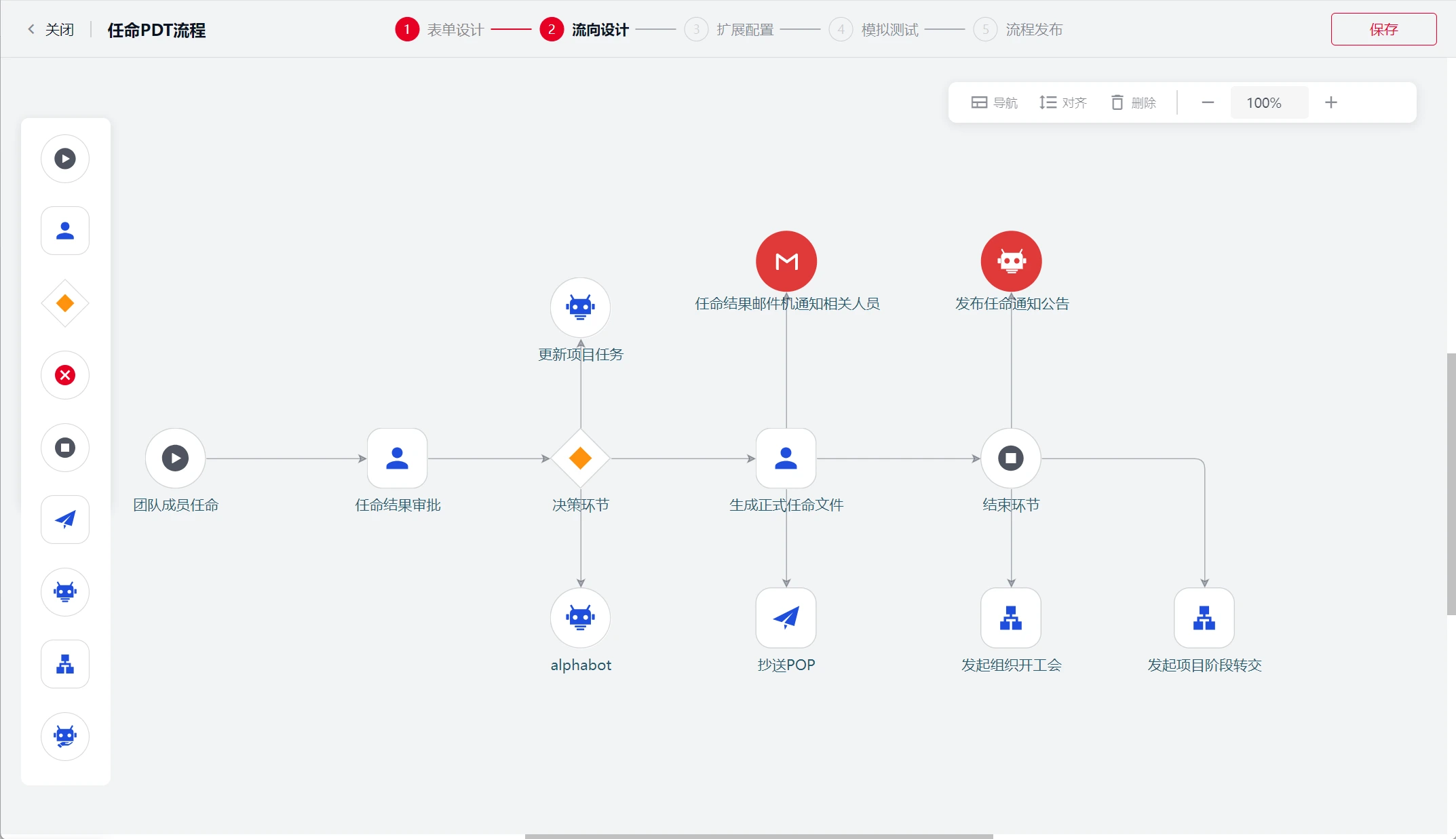
Configure workflows, forms, rules, roles and data in a shared visual model. Let business and IT teams work together on process changes, reusing standard nodes and integration services to reduce repetitive development.
02Run complex business processes
Model conditional branches, parallel work, joint approvals and reusable subprocesses. Coordinate events, asynchronous messages and callbacks. Support long-running work with timeouts, escalation, retries and business compensation, with execution history available for audit.
03Automate work with AlphaBot
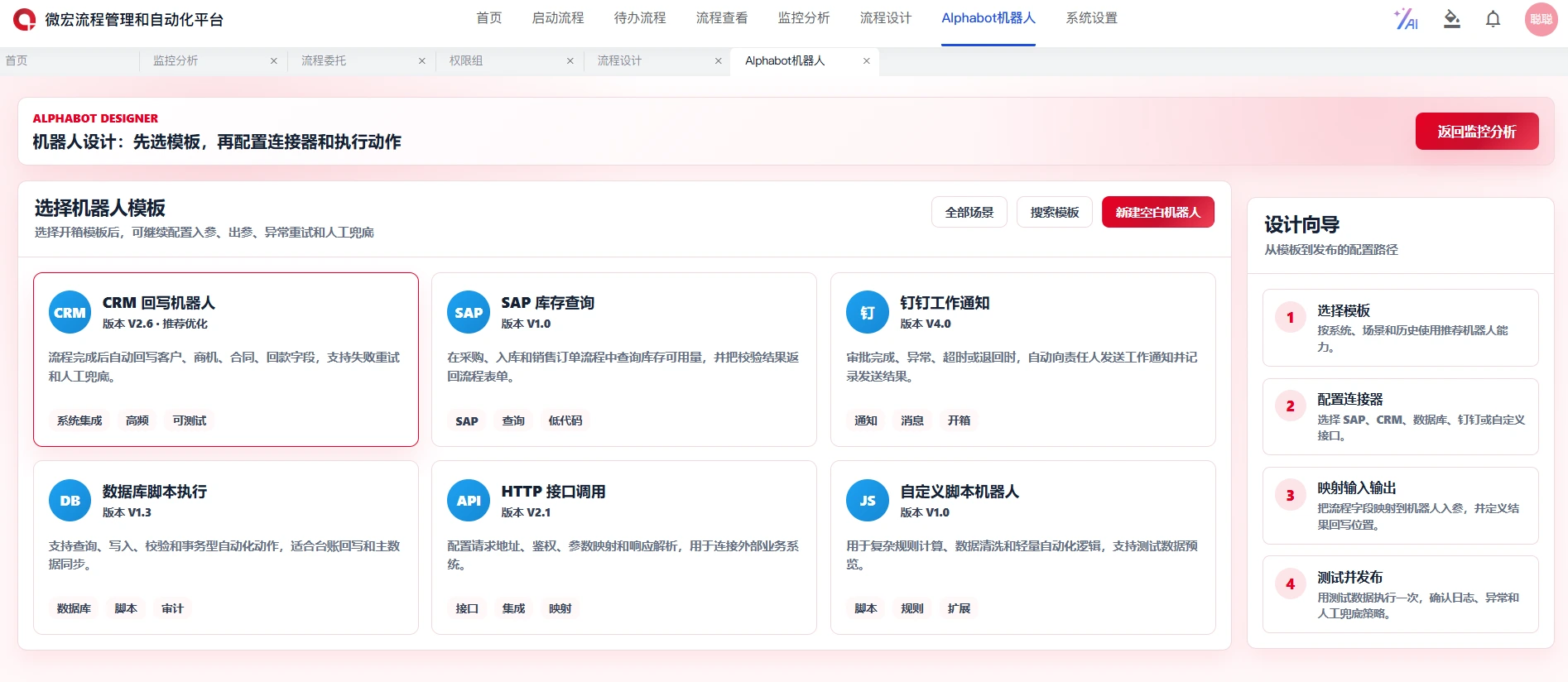
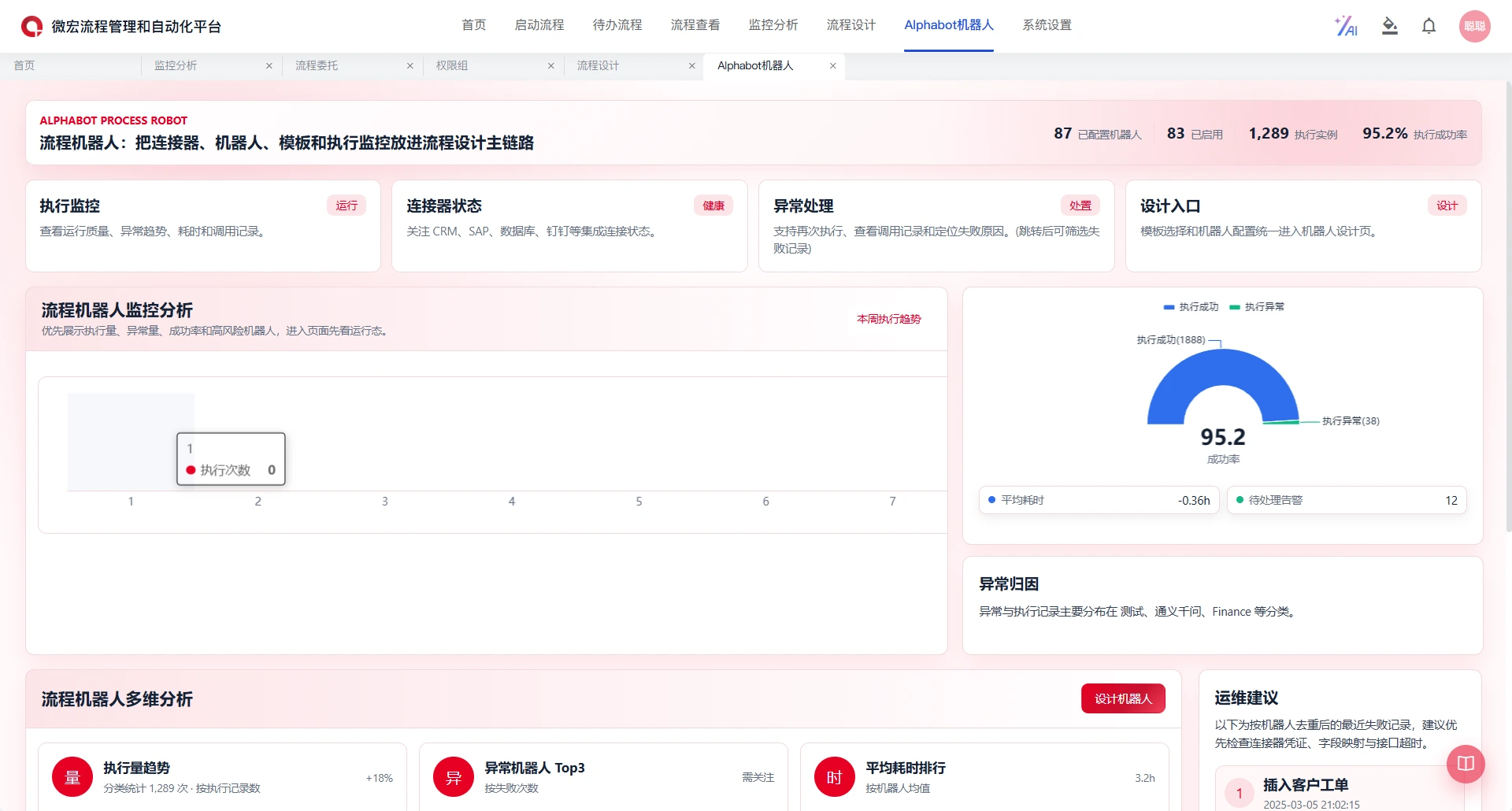
Place reusable process robots inside business workflows to perform repetitive tasks and system actions. Combine messaging, calculations and rules with services such as OCR, electronic signatures and enterprise application connections. Monitor execution and provide retry or fallback paths.
04Reuse services across systems
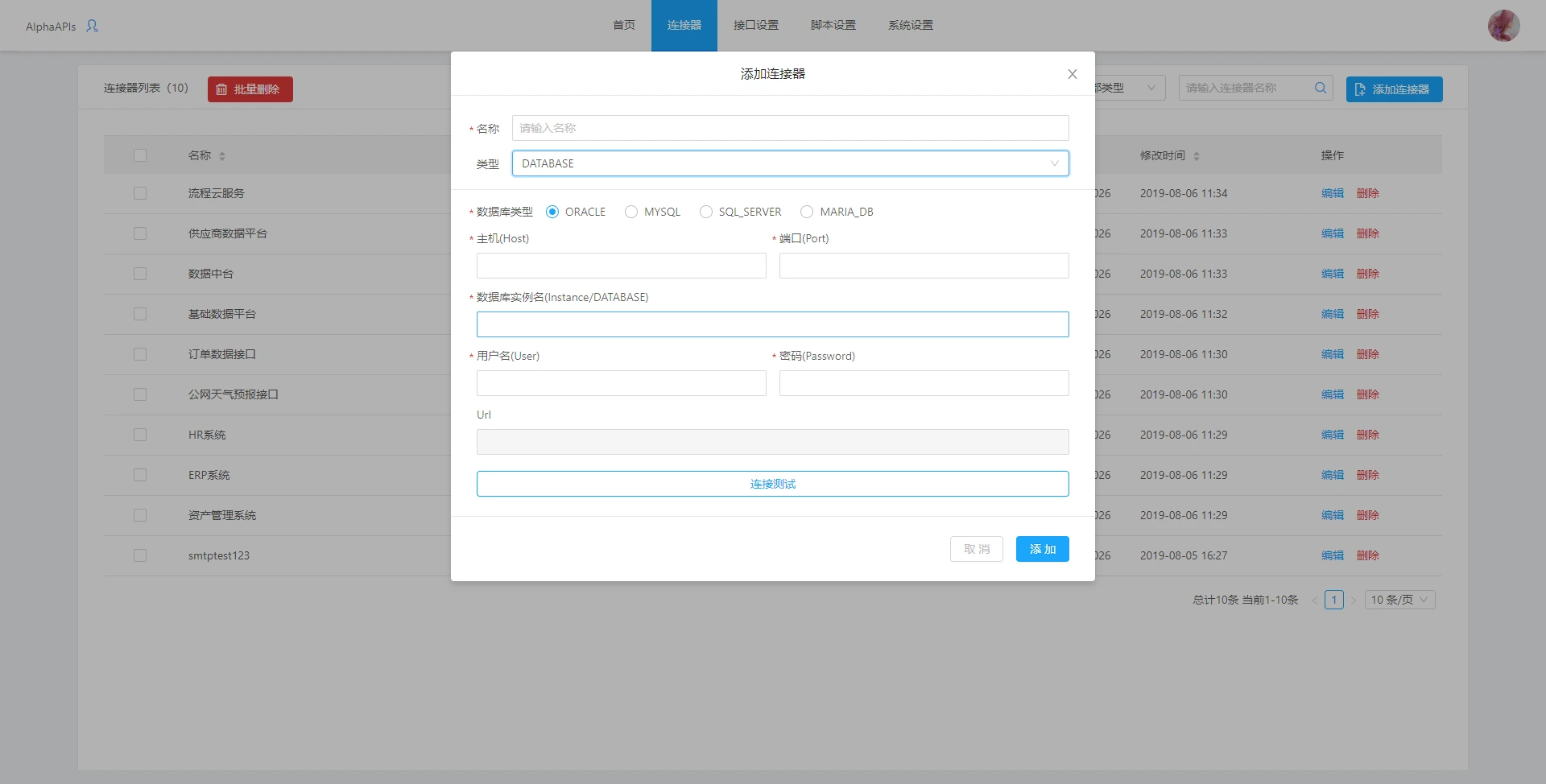
Use iPaaS to manage connectors, credentials and environments. Encapsulate REST, Web Service and database calls with consistent inputs, outputs, data mappings and exception handling. Reuse these services across workflows and monitor them centrally.
05Give teams a common work portal
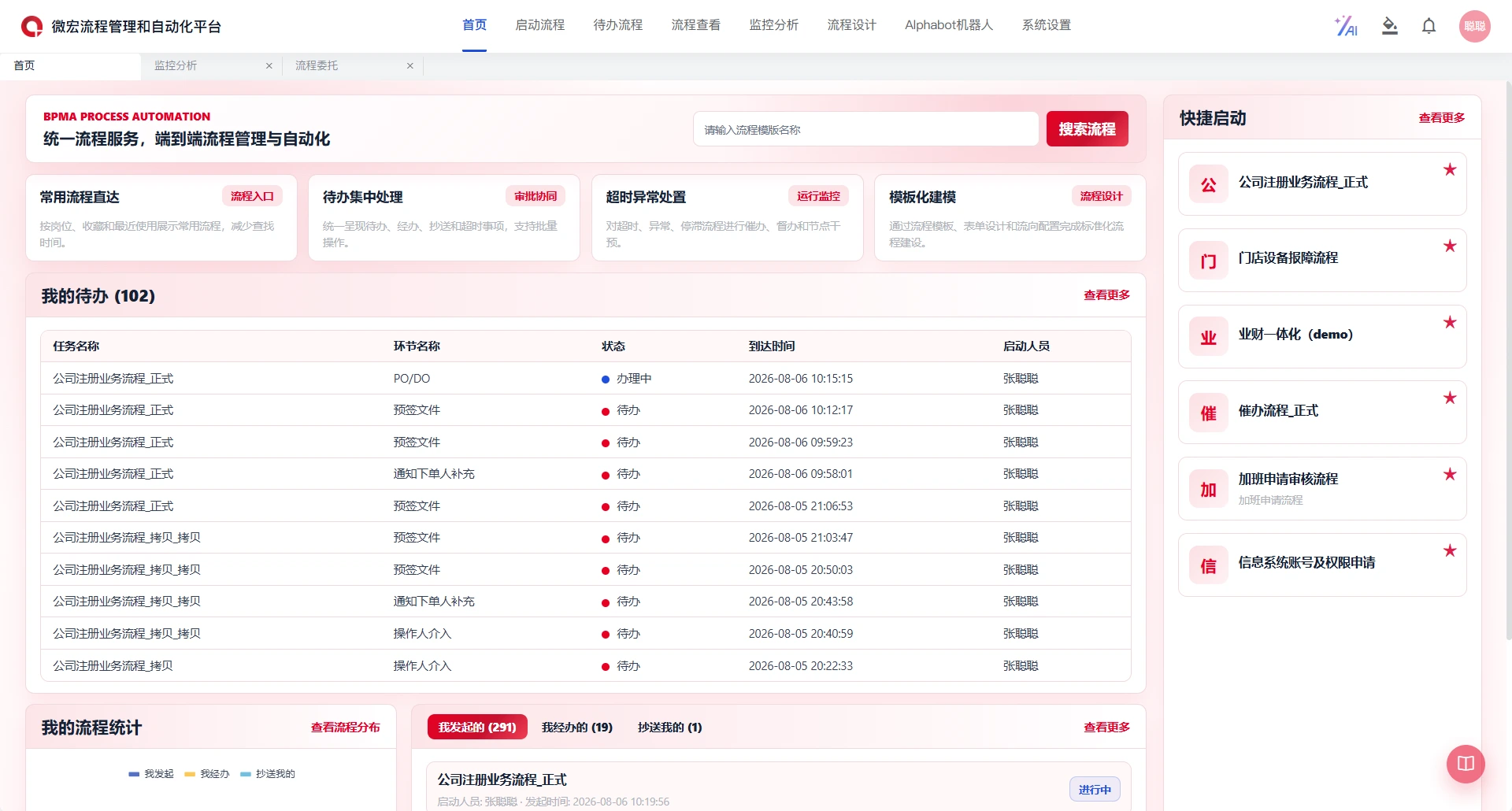
Unify process initiation, pending tasks, completed work and copied notifications. Support desktop and mobile access, embedded pages and backend process services. Map group, company, department, position and role data to permissions for starting, handling, viewing and operating workflows.
06Monitor execution and measure performance
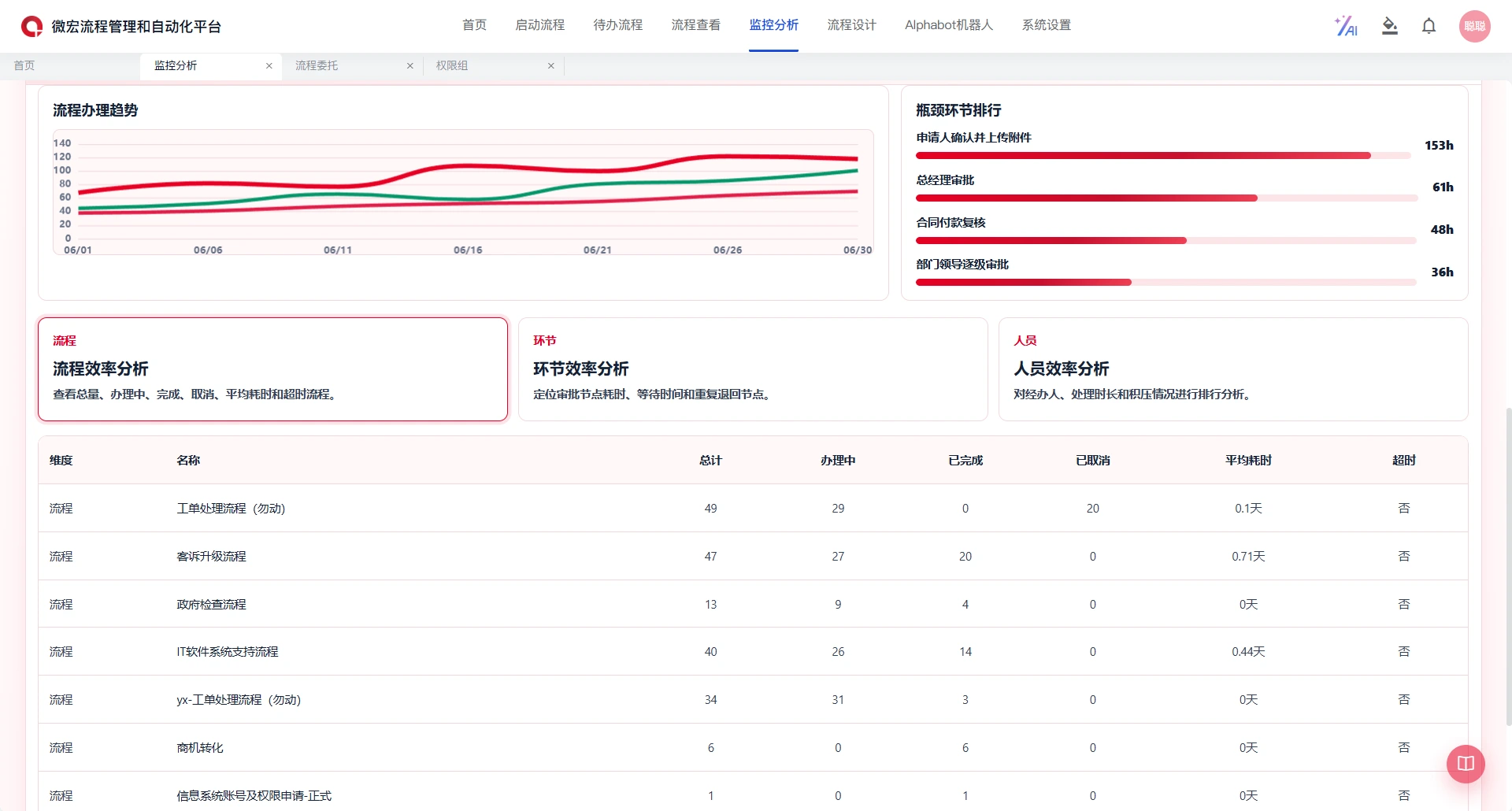
Keep runtime status and operational exceptions visible. Analyze cycle time, waiting time and handling duration, then investigate recurring timeouts and bottlenecks. Compare organizations, business dimensions or process versions to assess whether changes improve execution.
07Bring AI into process work
Combine human tasks, AI agents, rules and system actions within a managed workflow. Use FlowBuddy assistance for tasks such as process initiation, form preparation, summaries and risk alerts. Define human review points as part of the workflow and confirm available capabilities for the selected deployment.
08Connect design, execution and improvement
Turn governed designs from AlphaFlow EBPA into executable workflows, and use BPI findings to prioritize changes. Start with a focused pilot, migrate or extend processes in stages, and use runtime feedback to guide ongoing improvement.