01
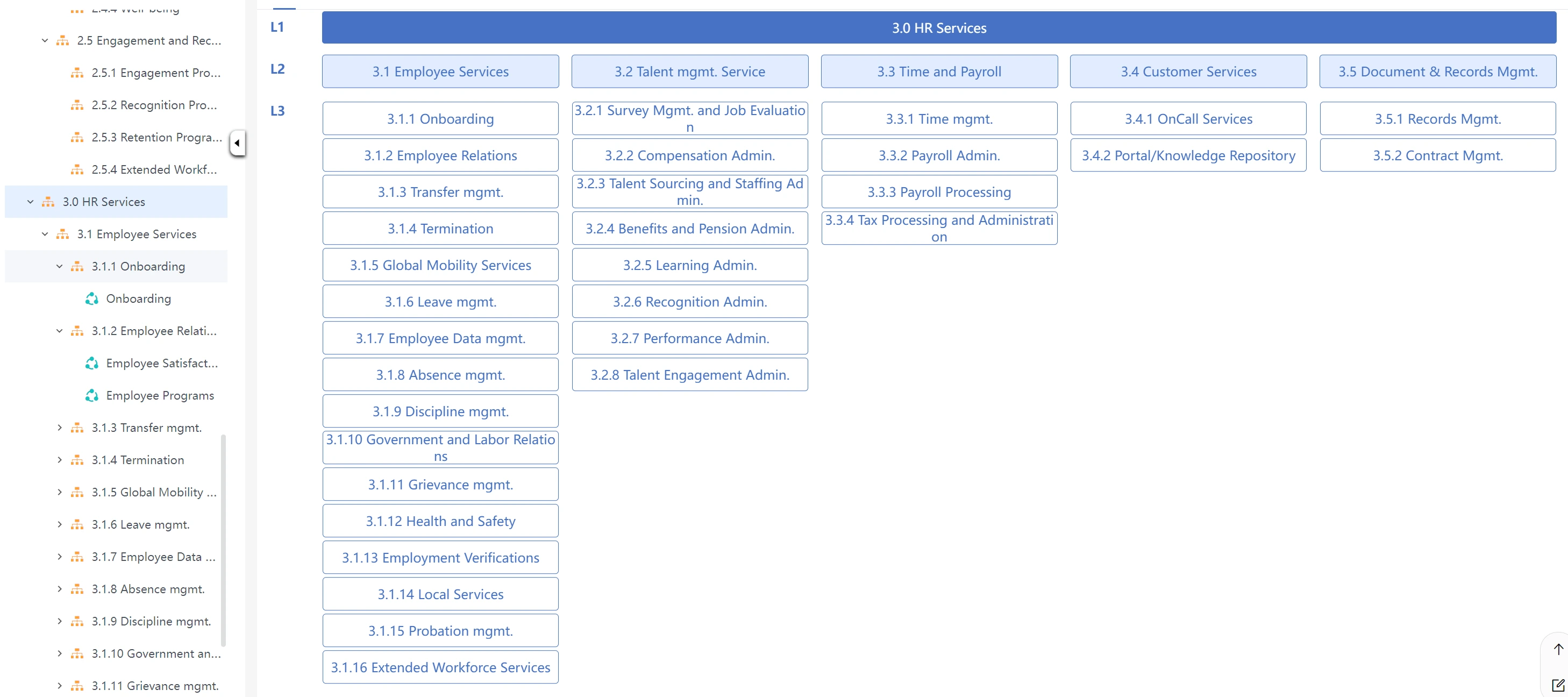
Build a shared process architecture
Organize processes into a consistent hierarchy and give leaders,
process owners and employees a shared business view. Bring
existing Excel inventories, Visio diagrams, BPMN models and Word
documents into the platform instead of rebuilding every asset.
02
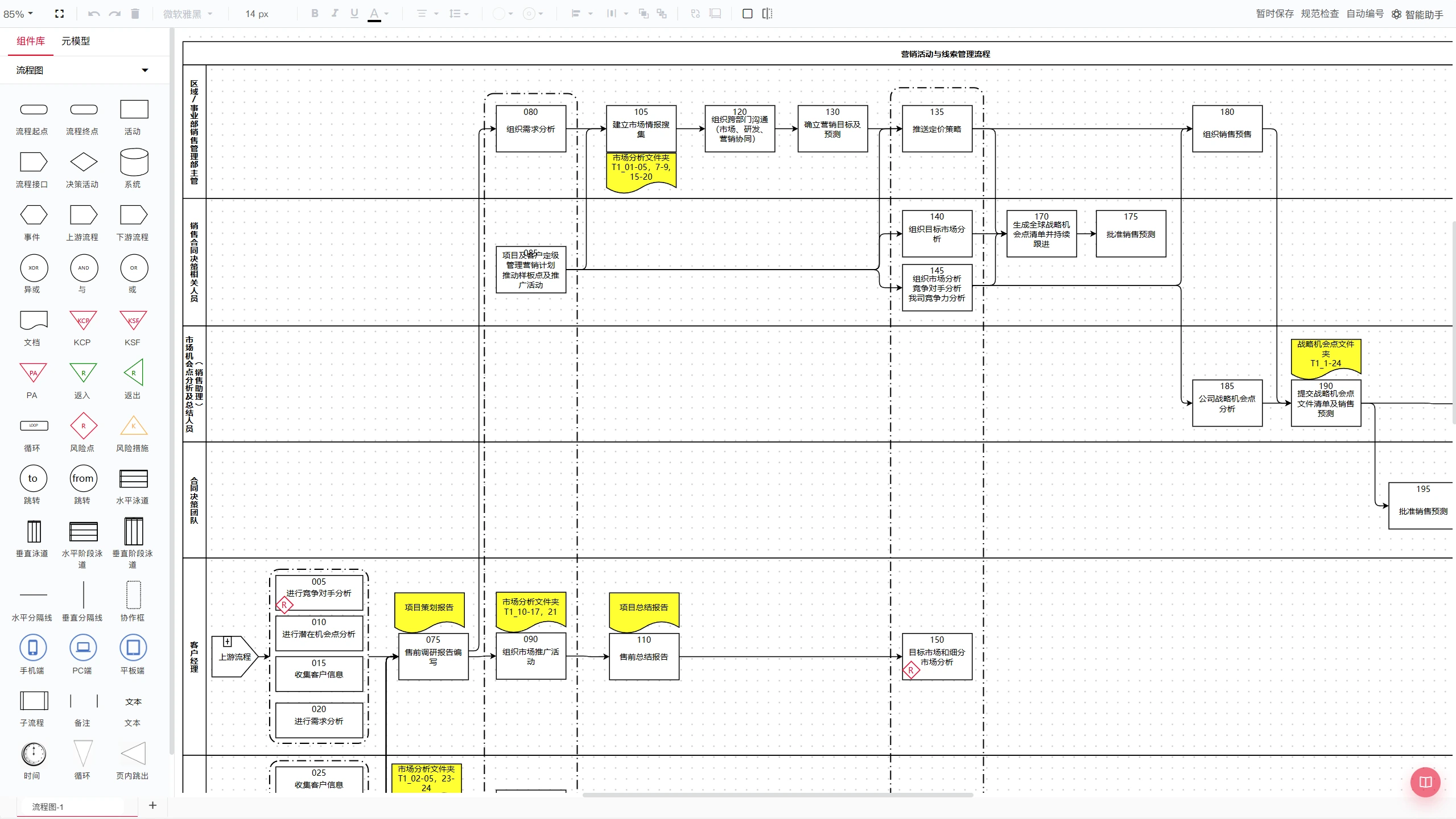
Model with consistent standards
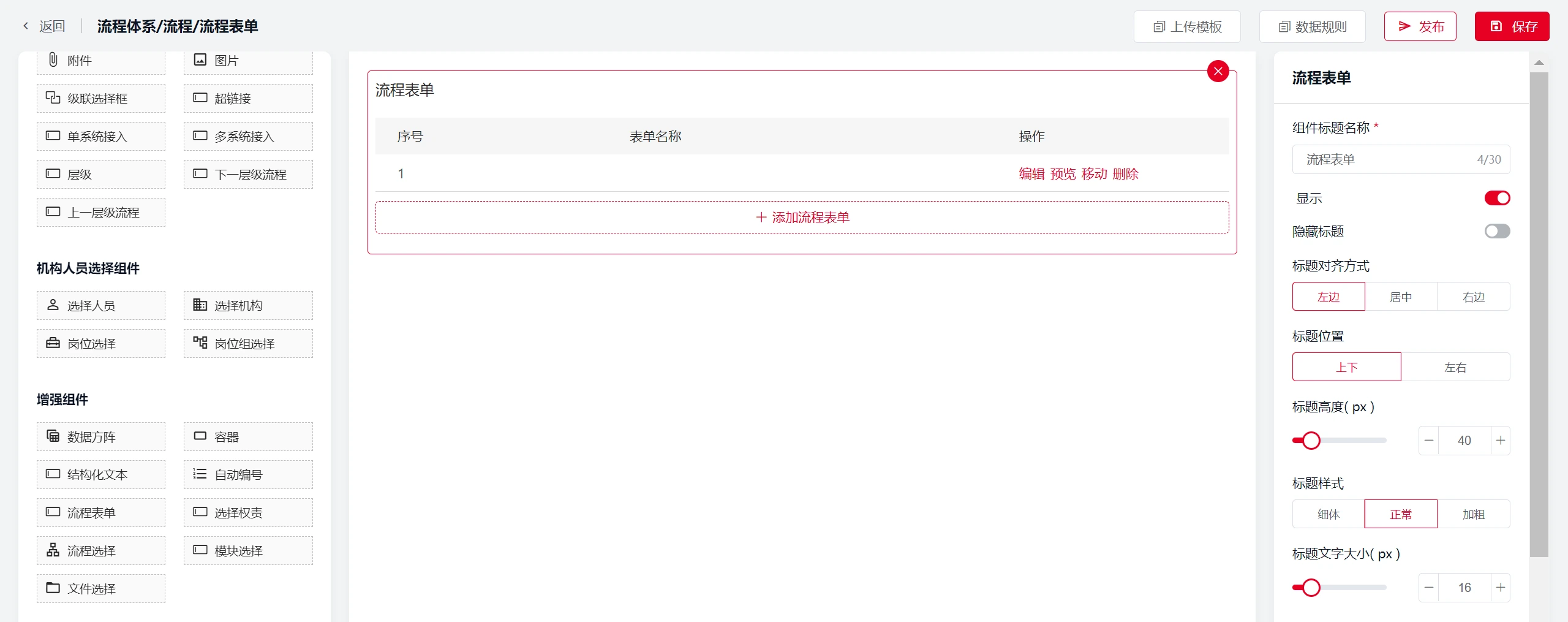
Use BPMN 2.0 and visual modeling to define activities, roles,
inputs and outputs. Configure modeling elements, attributes and
templates to match enterprise standards, then check models for
issues before publication.
03
Connect the context behind each process
Link activities to organizational roles, risks, controls, business
systems and performance indicators. Configure process element
attributes without custom development and use structured
relationships to support queries, impact analysis and coordination
across teams.
04
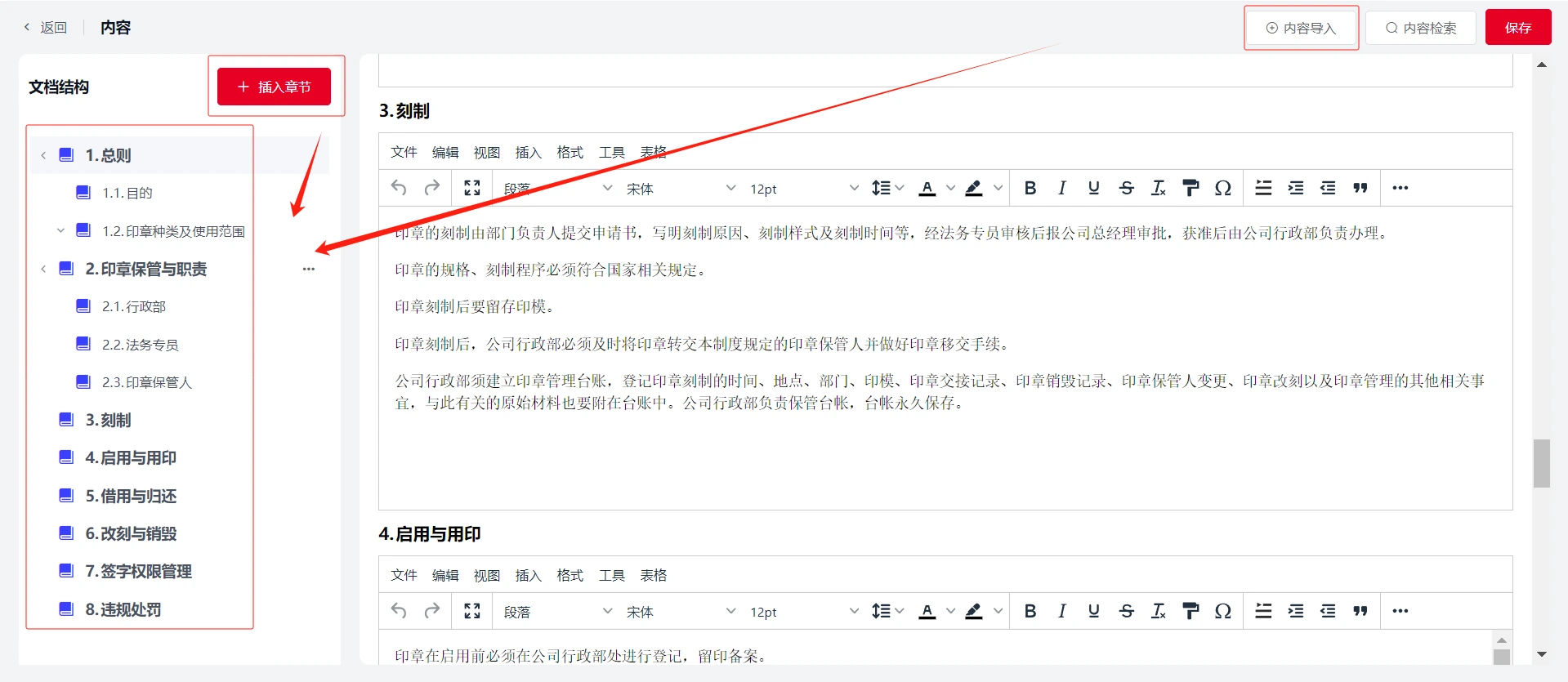
Link policies at chapter level
Manage policies, standards and work instructions as structured
documents. Import existing files and associate a process or
activity with a specific chapter or clause, so employees can find
the relevant requirement in context.
05
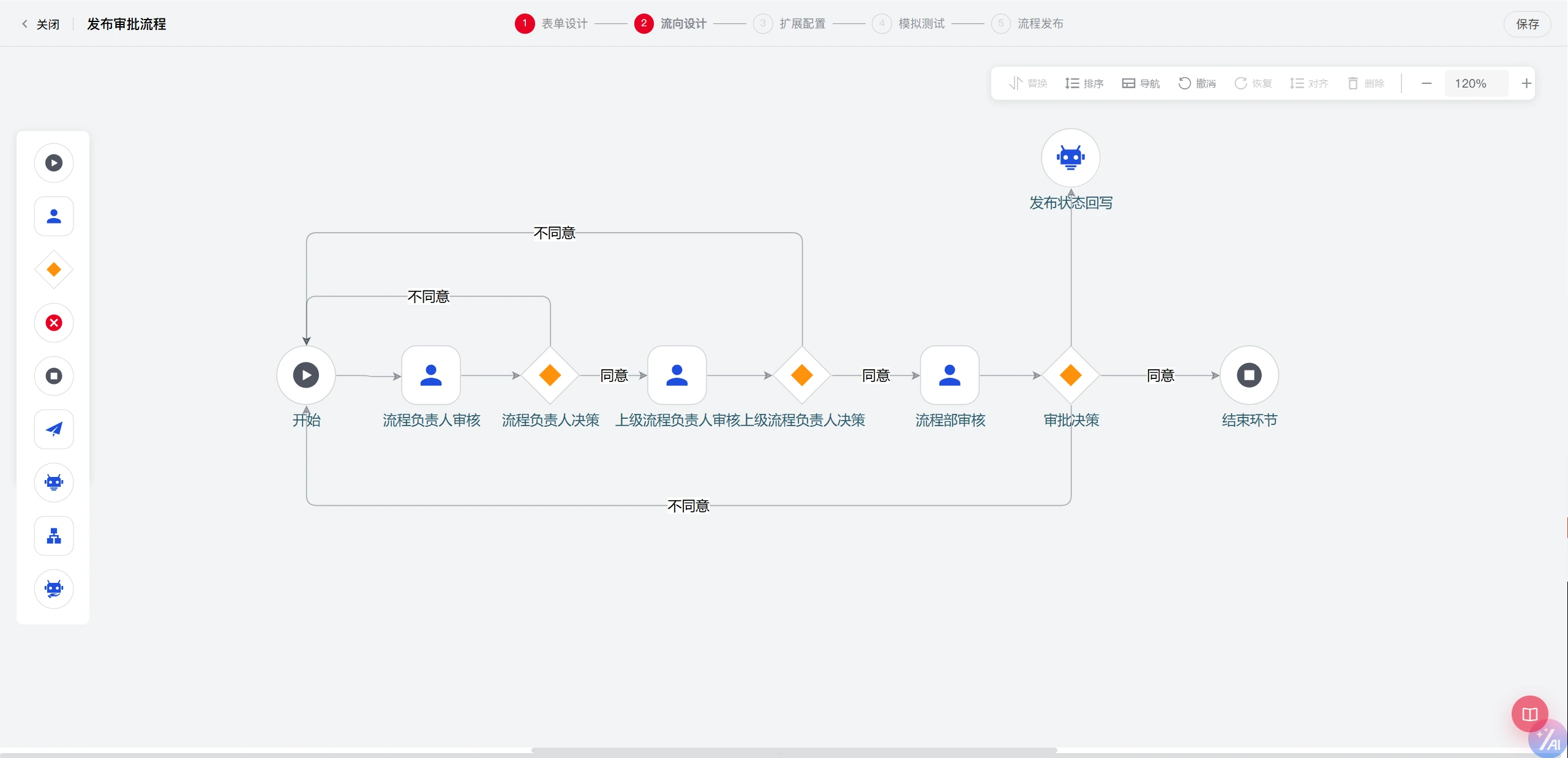
Control publication and change
Configure approval paths and reviewer roles for process releases.
Archive previous versions, retain release history and notify
relevant colleagues when a new version is published. Trace what
changed and why.
06
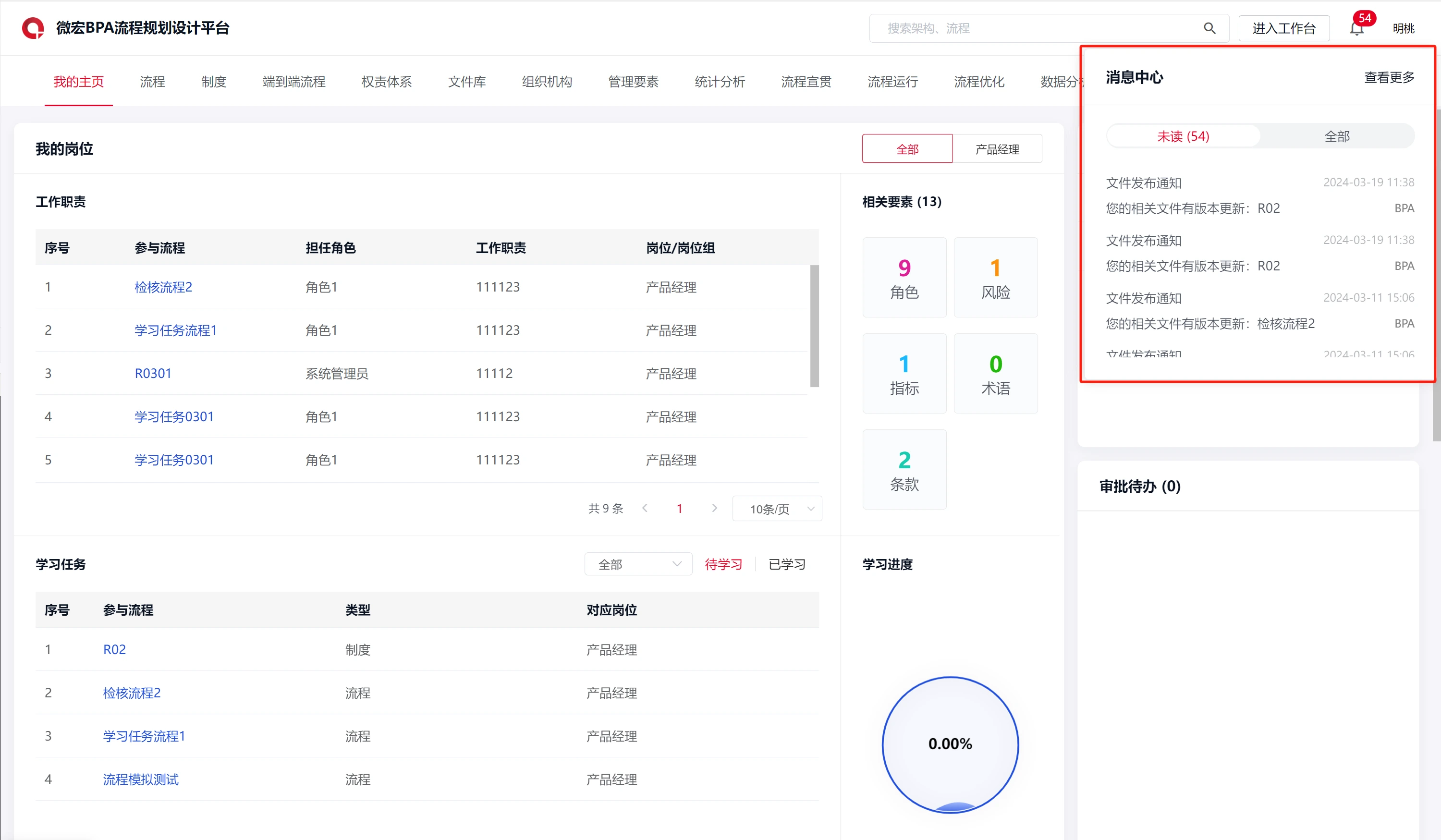
Keep governance running
Assign process tasks with owners and deadlines. Support learning,
feedback, comments and periodic checks. Notify responsible owners
when related elements change, and maintain process performance
indicators to guide review and improvement.
07
Fit enterprise deployment needs
Support private deployment, group-level permissions and
connections to enterprise identity and organizational data. Use
APIs and iPaaS to connect existing systems. Configure target
languages for the deployment scope and validate the experience
against real business scenarios before rollout.
08
Connect design with execution and insight
Extend governed process assets into AlphaFlow BPA for workflow
execution and automation, and BPI for analysis and optimization.
Use operational feedback to inform the next cycle of process
planning and design.